Can Technology Help Older Adults Stay Healthier for Longer?
As Europe’s population continues to age, healthcare faces a growing challenge: helping older adults live longer while maintaining their independence and quality of life. For people living with cardiovascular disease, this often means dealing not only with heart conditions, but also with frailty, falls, memory problems, depression, and reduced mobility.
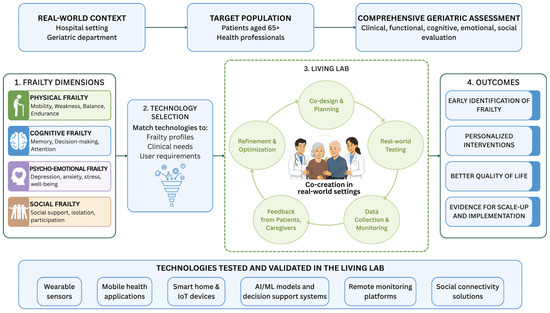
A recent scientific review explores how digital technologies and Living Labs can help address these challenges. After analysing evidence from multiple studies, researchers found that technology can play a valuable role in supporting healthier ageing by helping healthcare professionals intervene earlier and make care more personalised.
Here are the three biggest takeaways from the study conducted by staff from Grigore T. Popa University of Medicine and Pharmacy, Iasi, Technical University Gheorghe Asachi and Center for Technology Transfer Mavis.
1. Technology can detect health problems before they become serious
Many age-related conditions develop gradually. Small changes in walking speed, balance, activity levels or sleep patterns can signal that someone’s health is starting to decline long before a hospital visit becomes necessary.
The review found that wearable devices, smart sensors, telemonitoring platforms and mobile health applications can continuously monitor these changes, allowing healthcare professionals to identify risks such as frailty, falls or cognitive decline much earlier than traditional check-ups alone.
Early detection means there is more time to act, whether through physical exercise, rehabilitation, medication adjustments or additional support at home.
2. Healthy ageing is about more than physical health
One of the most important messages from the study is that ageing should be viewed holistically.
Good health in later life is influenced not only by physical strength, but also by cognitive function, emotional wellbeing and social connections. Technology can support all of these areas.
The reviewed studies showed promising results from digital exercise programmes, cognitive training tools, remote monitoring, and applications that encourage social interaction and reduce isolation. Together, these solutions can help older adults remain active, independent and engaged in everyday life.
3. The best innovations are designed with older adults, not just for them
Perhaps the most valuable insight is that successful healthcare innovation starts by involving the people who will actually use it.
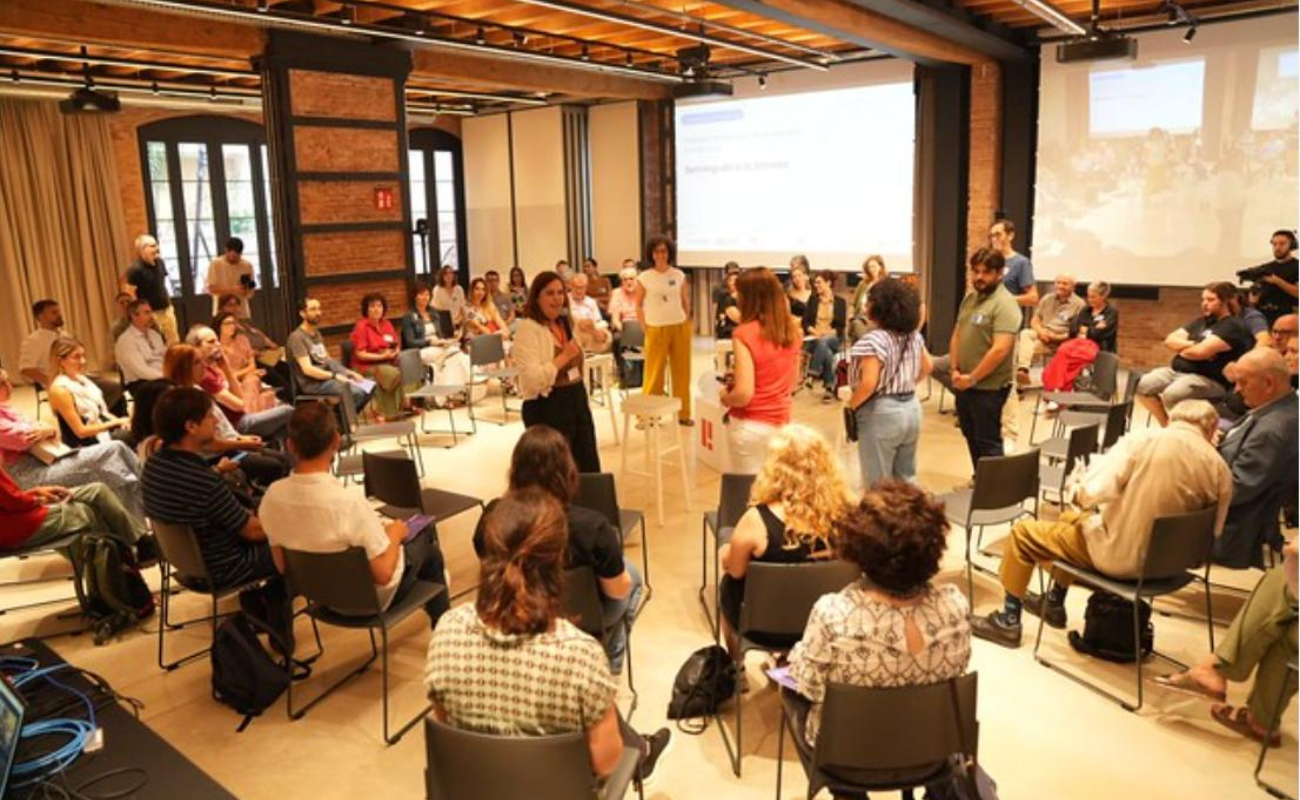
This is where the Living Lab approach stands out. Instead of developing technologies in isolation, Living Labs bring together older adults, caregivers, clinicians, researchers, companies and public authorities to co-create and test new solutions in real-life environments.
This collaborative approach leads to technologies that are easier to use, better suited to real needs and more likely to be adopted in everyday healthcare. Rather than asking people to adapt to technology, Living Labs help technology adapt to people.
Looking ahead
Digital health technologies are not a replacement for doctors or caregivers. Instead, they are becoming powerful tools that help healthcare systems move from reacting to illness toward preventing it.
Combined with Living Lab methodologies, these innovations have the potential to make healthcare more proactive, personalised and centred around the needs of older adults, supporting healthier ageing while reducing pressure on healthcare systems.
Further reading
This article is based on the scientific review “The Living Lab Concept in the Detection, Prevention and Monitoring of Geriatric Syndromes in Elderly Patients with Cardiovascular Disease – A Narrative Review”, published in the Journal of Clinical Medicine (2026).
For the full methodology, evidence and detailed findings, read the original publication: https://www.mdpi.com/2077-0383/15/12/4745