I3 Coordinators’ Day and Annual I3 Instrument Forum
This year’s I3 Coordinators’ Day and Annual I3 Instrument Forum offered, once again, proof of how important this instrument has become for organisations across Europe working to turn European funding into real change in their regions.
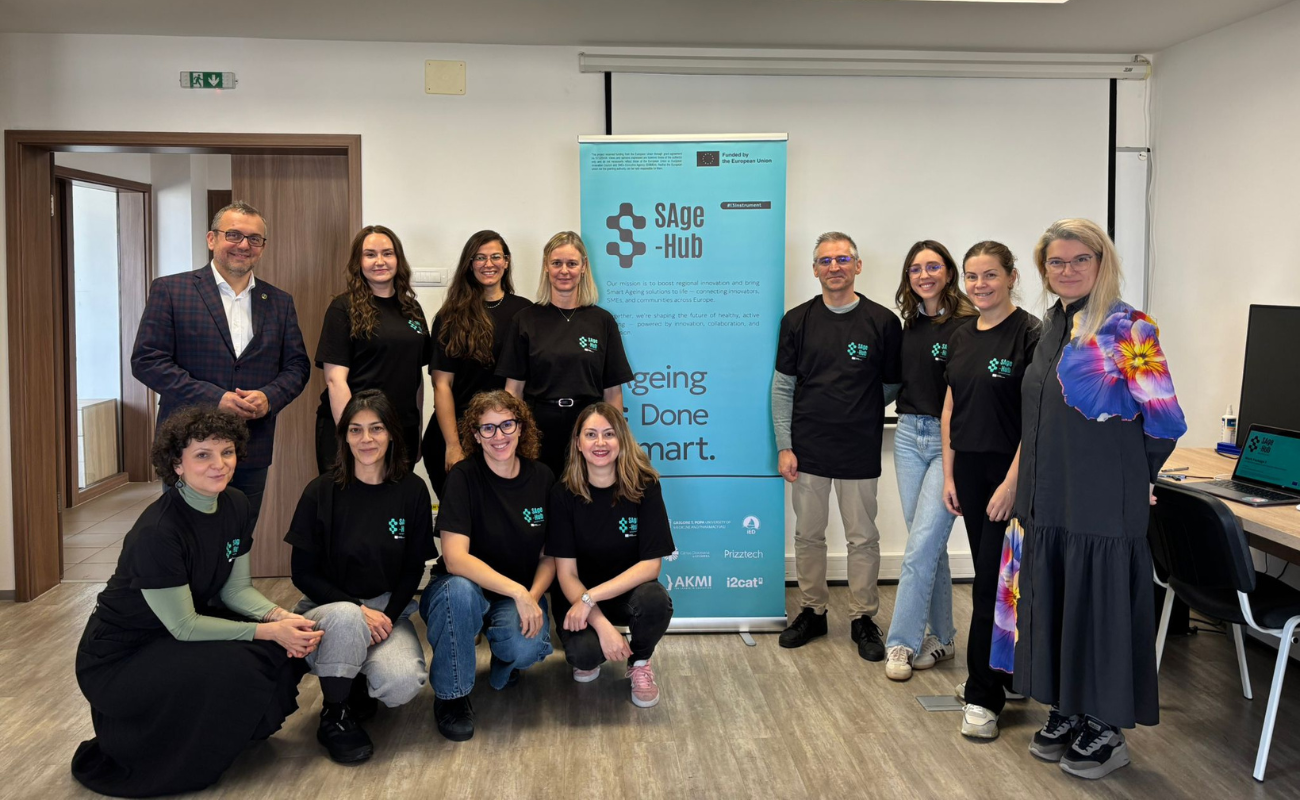
On 30 September and 1 October, SAge-Hub was represented in Brussels by Cristina Baghiu, SAge-Hub Coordinator, and Adina Serediuc, Programme Lead, joining the wider I3 community for two days of exchange, reflection and discussion about what comes next.
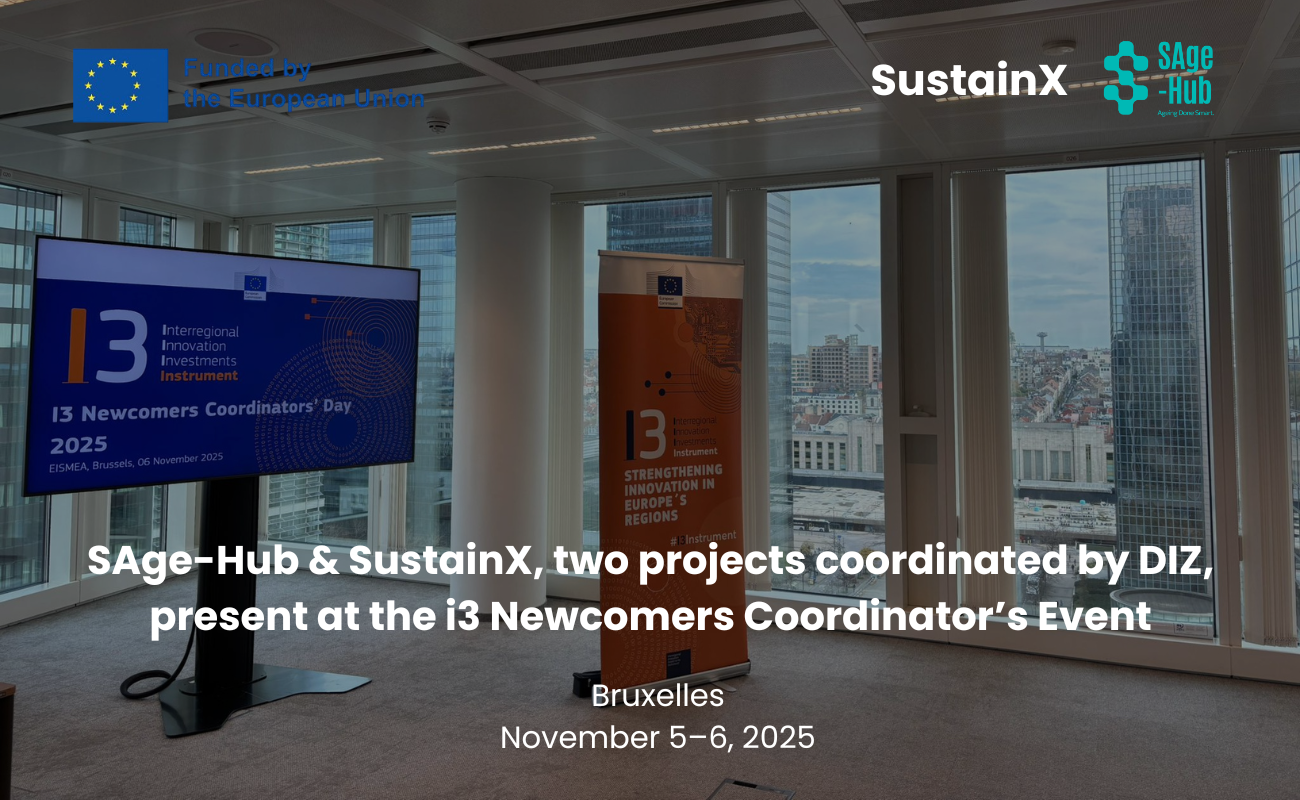
The I3 Coordinators’ Day was first and foremost an opportunity to learn from each other. Coordinators from I3-funded projects exchanged experiences on project implementation, reporting and financial management, but also discussed the wider policy landscape supporting I3 projects and the opportunities for stronger cooperation across regions and value chains.
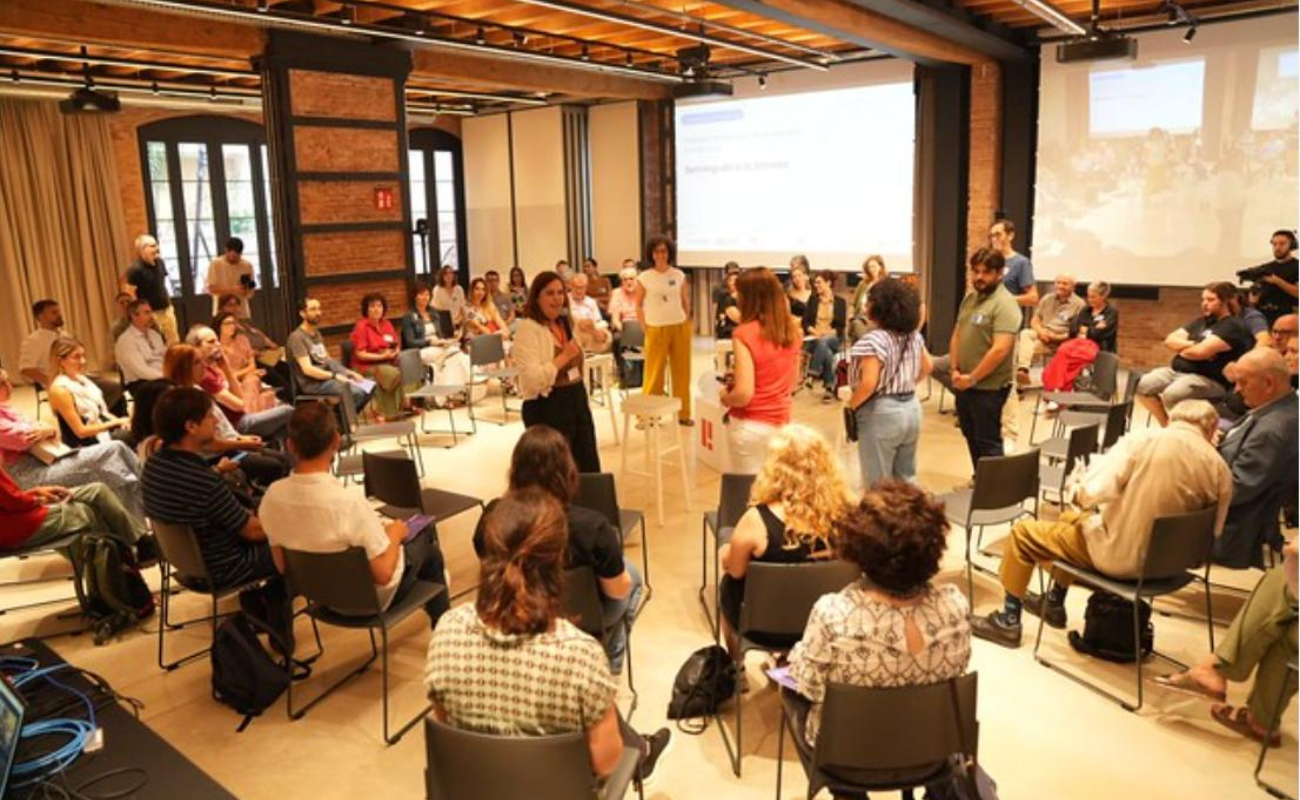
During the breakout session dedicated to Digital, Health and Medicine, a World Café exercise moved the conversation towards some very practical questions: What will remain after our projects end? What makes an I3 project sustainable? What lessons would we pass on to other coordinators? And, perhaps most importantly, what has actually changed in our regions and ecosystems since these projects began?
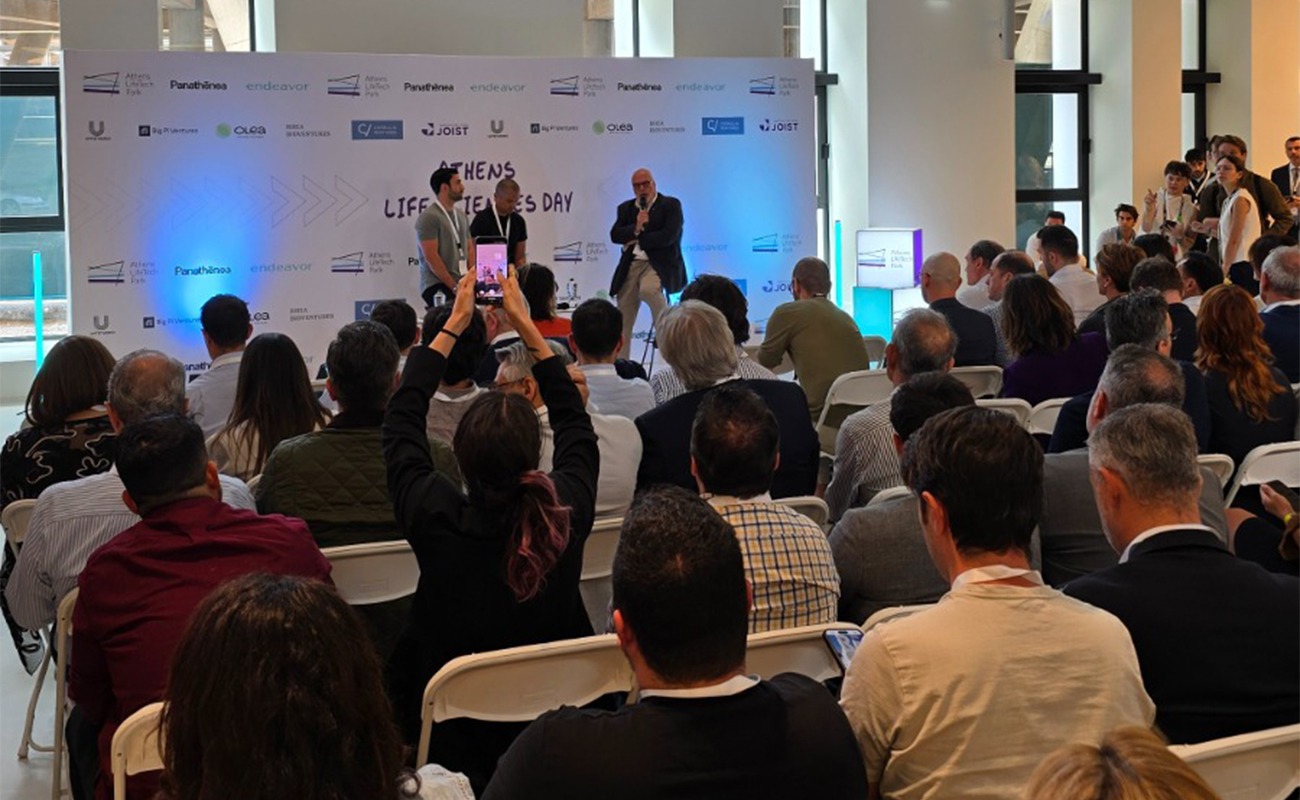
On the second day, the Annual I3 Instrument Forum brought a broader perspective, looking at the results and regional impact of the I3 Instrument so far, but also at its future role in European innovation and Cohesion Policy.
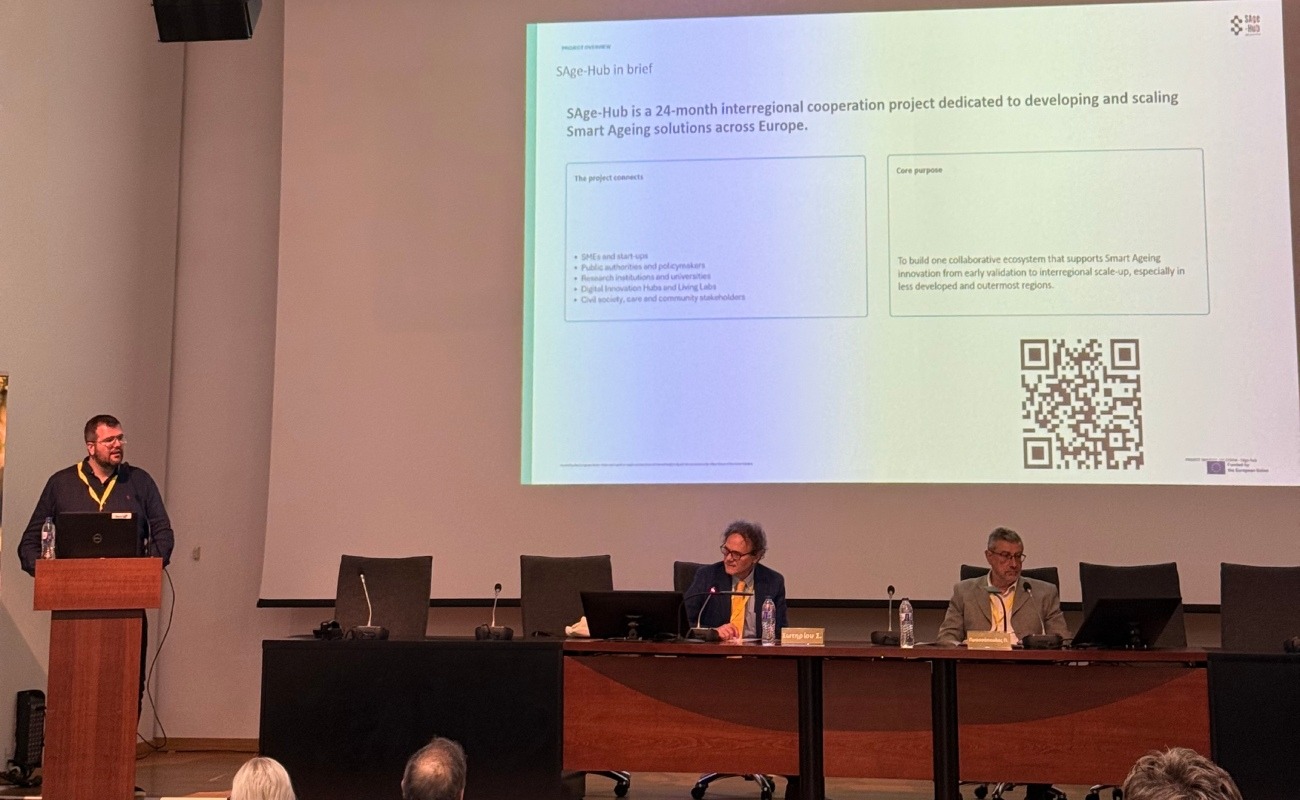
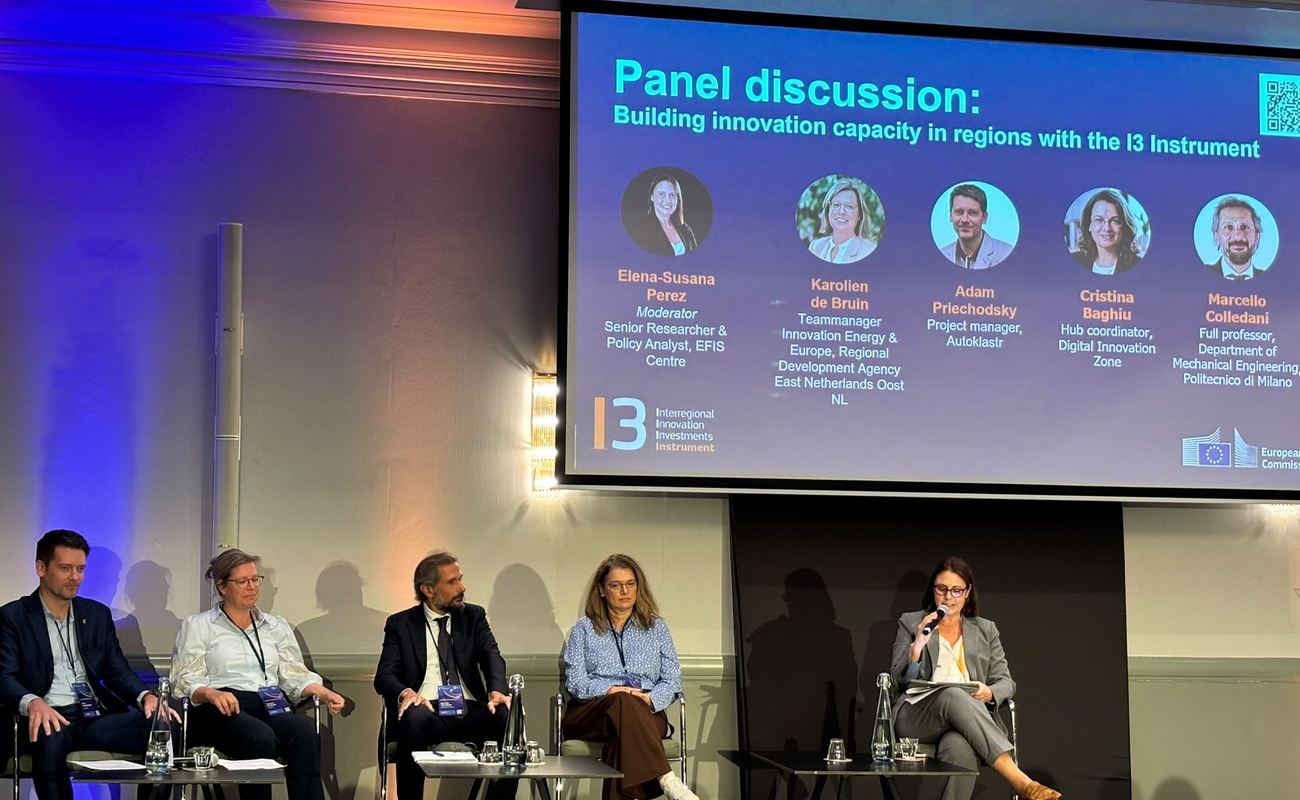
Cristina Baghiu, Coordinator of Digital Innovation Zone and SAge-Hub, joined the panel “Building innovation capacity in regions with the I3 Instrument”. The discussion continued into a lively Q&A, with participants interested in the practical experience of the panellists and in what it actually takes to build and sustain innovation capacity at regional level.
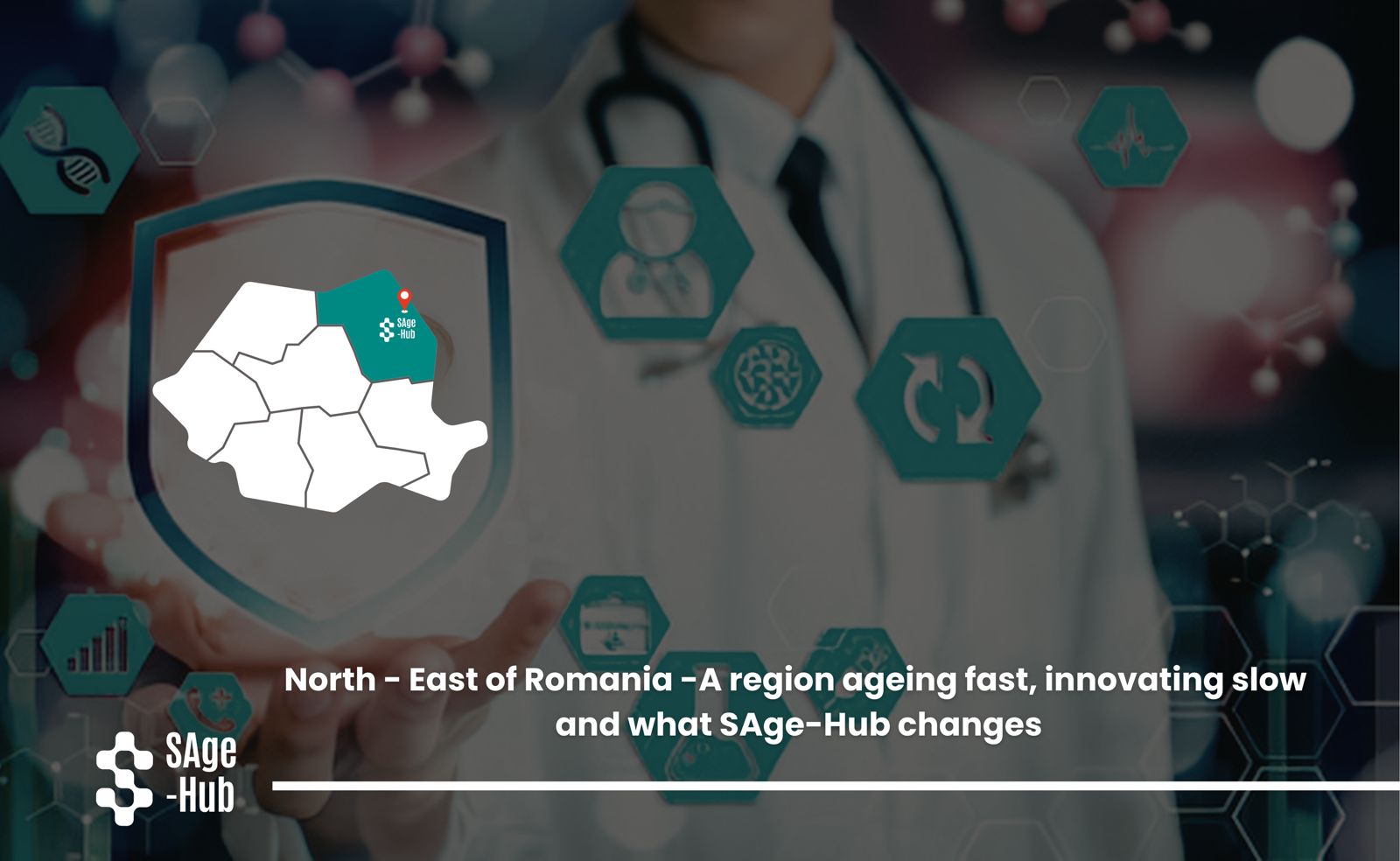
Speaking from the perspective of North-East Romania, Cristina brought into the discussion a challenge familiar to many regions located far from Europe’s main innovation centres:
“For regions like ours, technology can bring us closer. Digital tools, shared infrastructure and interregional partnerships can turn distance into a reason to connect.”
Her intervention also highlighted the potential of connecting European Digital Innovation Hubs (EDIHs) with the I3 Instrument. EDIHs can support SMEs and public organisations with digital and AI adoption close to where they operate, while I3 adds the interregional investment and scale-up dimension. Together, they can help connect regional capabilities and companies to European value chains.
Another important conversation of the day focused on the future outlook for innovation investment instruments. With the post-2027 period approaching, the discussion offered a glimpse into how the European innovation funding landscape may evolve and where new opportunities and synergies could emerge.
Overall, the Forum connected concrete project experience with policy reflections on the future of interregional innovation investments beyond 2027.
What stays with us after these two days, however, goes beyond project implementation, reporting or funding instruments.
It is the feeling of being part of something bigger than a regional project: a European community of people trying to move things forward in their regions, using the instruments available at EU level to turn ideas, partnerships and regional strengths into real change.