Why SMEs Should Engage with the SAgeHub Living Lab
For small and medium-sized enterprises operating in the fields of smart ageing, digital health, and technology-enabled care, innovation is rarely straightforward. Solutions must respond to real user needs, comply with regulatory frameworks, integrate into healthcare or social systems, and demonstrate measurable value. For SMEs, the challenge is not only to innovate — but to innovate responsibly, credibly, and sustainably.
This is precisely the space where the SAgeHub Living Labs becomes strategically relevant.
Innovation in ageing and health technologies cannot happen in isolation. Developing a product internally and testing it only at the end of the cycle often leads to friction: unexpected usability issues, resistance from end users, unclear procurement pathways, or misalignment with policy priorities. In sensitive sectors such as active and healthy ageing, these risks are amplified.
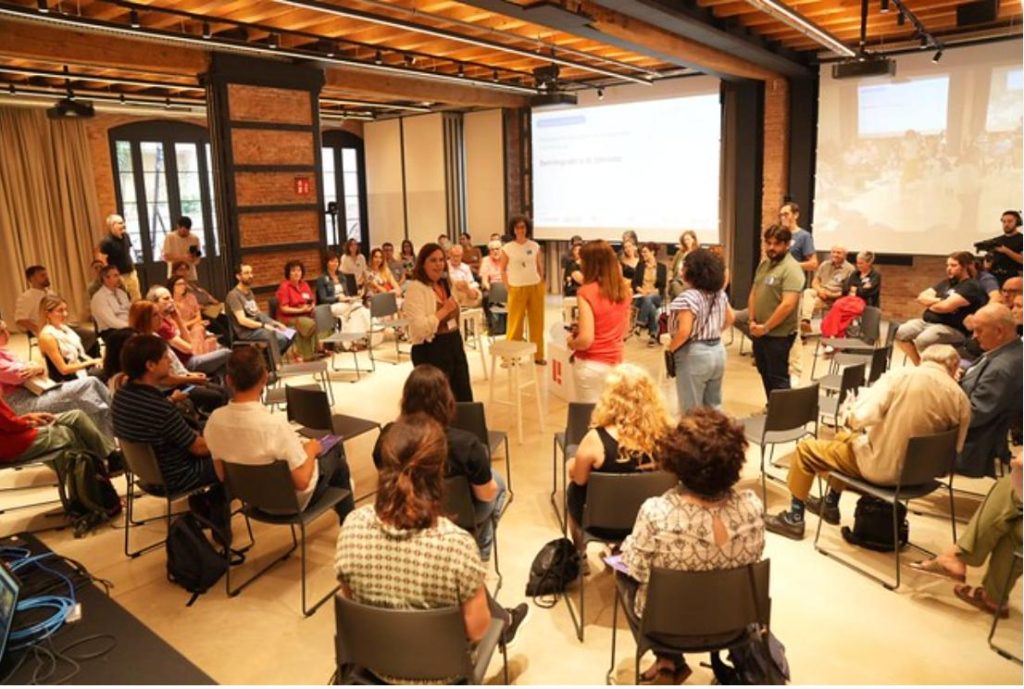
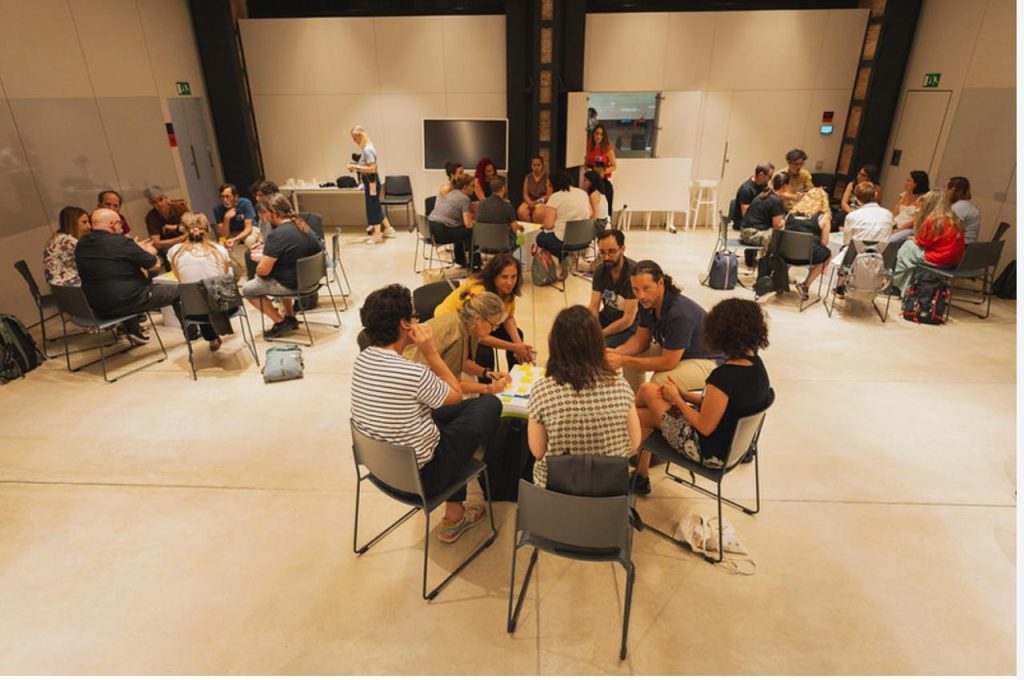
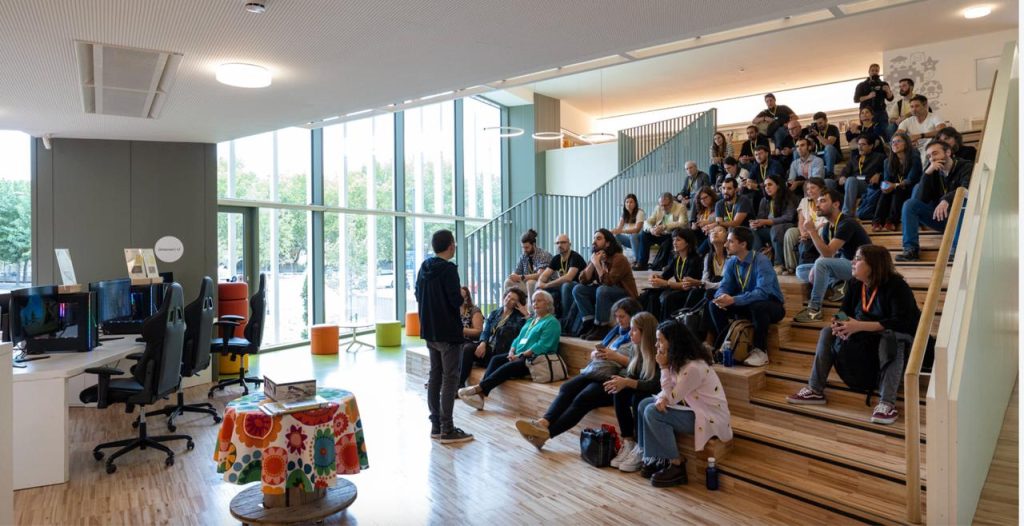
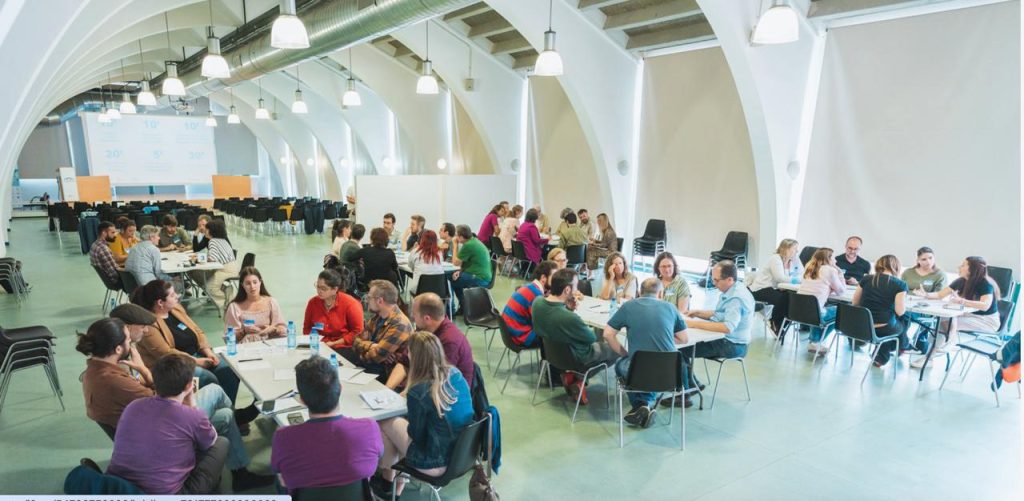
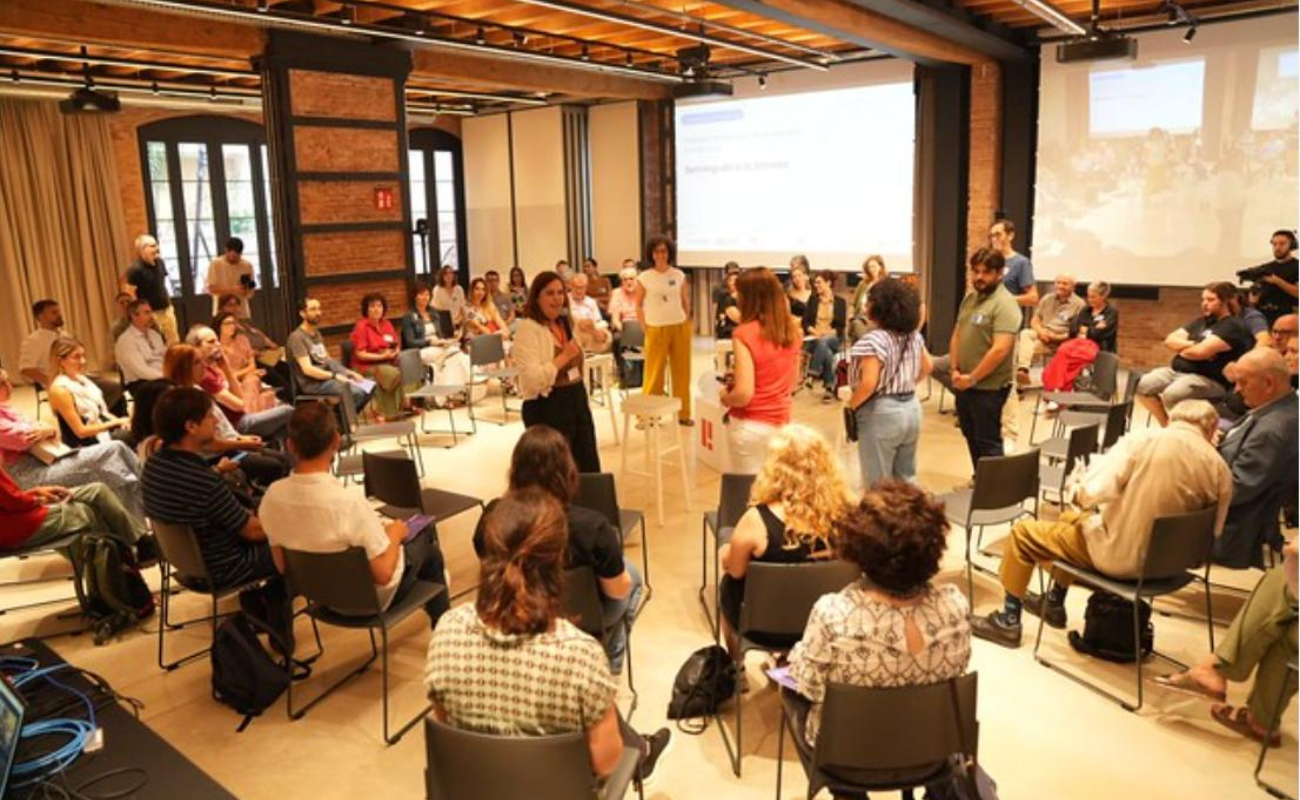
The SAgeHub Living Labs provide a structured environment where SMEs co-create and validate solutions together with key stakeholders and end- users. Instead of assuming what silver age communities, caregivers, healthcare professionals, or public authorities need, companies engage directly with them throughout the development process. This shifts innovation from assumption-driven to evidence-informed validated by end users and improving social and technological acceptance.
Participation in SAgeHub is not simply about pilot testing. It is about embedding innovation within a trusted ecosystem. SMEs gain access to real-life experimentation contexts, interdisciplinary expertise, and structured feedback loops. Solutions are exposed to social, ethical, and practical dimensions early — when refinement is still possible and cost-effective.
Trust plays a central role here. In digital health and smart ageing, users must feel confident that technologies are safe, usable, and beneficial. Public authorities must trust that solutions align with policy frameworks. Investors must trust that there is real demand and scalability potential. By developing within the SAgeHub Living Labs, SMEs demonstrate that their solutions have been tested collaboratively, not developed in isolation.
Another important advantage is alignment with European policy priorities. SAgeHub operates within a broader ecosystem focused on smart ageing, innovation capacity-building, and sustainable digital transformation. For SMEs, this means that innovation does not happen detached from policy realities. Instead, companies gain insight into regulatory expectations, public procurement environments, and funding landscapes that influence long-term scalability.
This innovation ecosystem-based approach reduces strategic blind spots. Early engagement with end users clarifies adoption barriers. Interaction with public stakeholders highlights institutional constraints. Collaboration with research actors strengthens technical robustness. These elements together reduce uncertainty while preserving entrepreneurial agility.
At the same time, participation signals something important to external partners: a commitment to responsible innovation. In a market where digital solutions for ageing populations must balance technological advancement with ethical sensitivity, this positioning matters. It shows that innovation is not driven purely by market opportunity, but by societal relevance and co-creation.
For SMEs working in smart ageing and digital health, SAgeHub offers more than infrastructure. It offers structured collaboration, validation pathways, and integration into a European innovation network. It creates conditions where innovation is shaped by real needs, informed by research, and aligned with governance frameworks.
In increasingly complex and regulated markets, this is not a marginal benefit. It is a strategic advantage.
Further Reading
The reflections above are informed by broader discussions on Living Labs and trust in innovation ecosystems, including:
• Martina De Sole, Director at ENoLL (European Network of Living Labs) ,“Living Labs: Transforming Innovation Journey from Gamble to Guided Growth” (LinkedIn Pulse).
https://www.linkedin.com/pulse/living-labs-transforming-innovation-journey-from-gamble-de-sole-jaydf/
• European Commission (2025), “Trust as a Governance Challenge for Science-for-Policy Ecosystems” – Mutual Learning Exercise on Bridging the Gap Between Science and Policy.